On October 10, 2024, Israel conducted one of its deadliest bombing operations in central Beirut, devastating the Basta neighborhood. The attack targeted Hezbollah financier and negotiator Wafic Safa.
The strike’s shockwave pulverized a residential building and destroyed neighboring facades, killing 17 civilians and injuring 117 others. Safa survived—he was not in the area at the time—and no evacuation order had been issued for this densely populated district.
The victims had no direct ties to Hezbollah. Instead, they reflected the city’s most vulnerable: Syrian refugees who had fled Assad’s repression, Lebanese working-class families, and residents already displaced by earlier Israeli airstrikes in the south. They had sought sanctuary in Basta, only to have their lives tragically cut short.
I investigated the human stories behind these statistics, tracing the individual narratives of lives destroyed in a single bombing – one of countless daily strikes in this ongoing conflict. According to UNICEF data as of December 28, 2024, the war has claimed at least 4,047 lives, including 316 children and 790 women, while forcing 1.2 million people from their homes.
Lebanon, 2024
ANATOMY OF A STRIKE
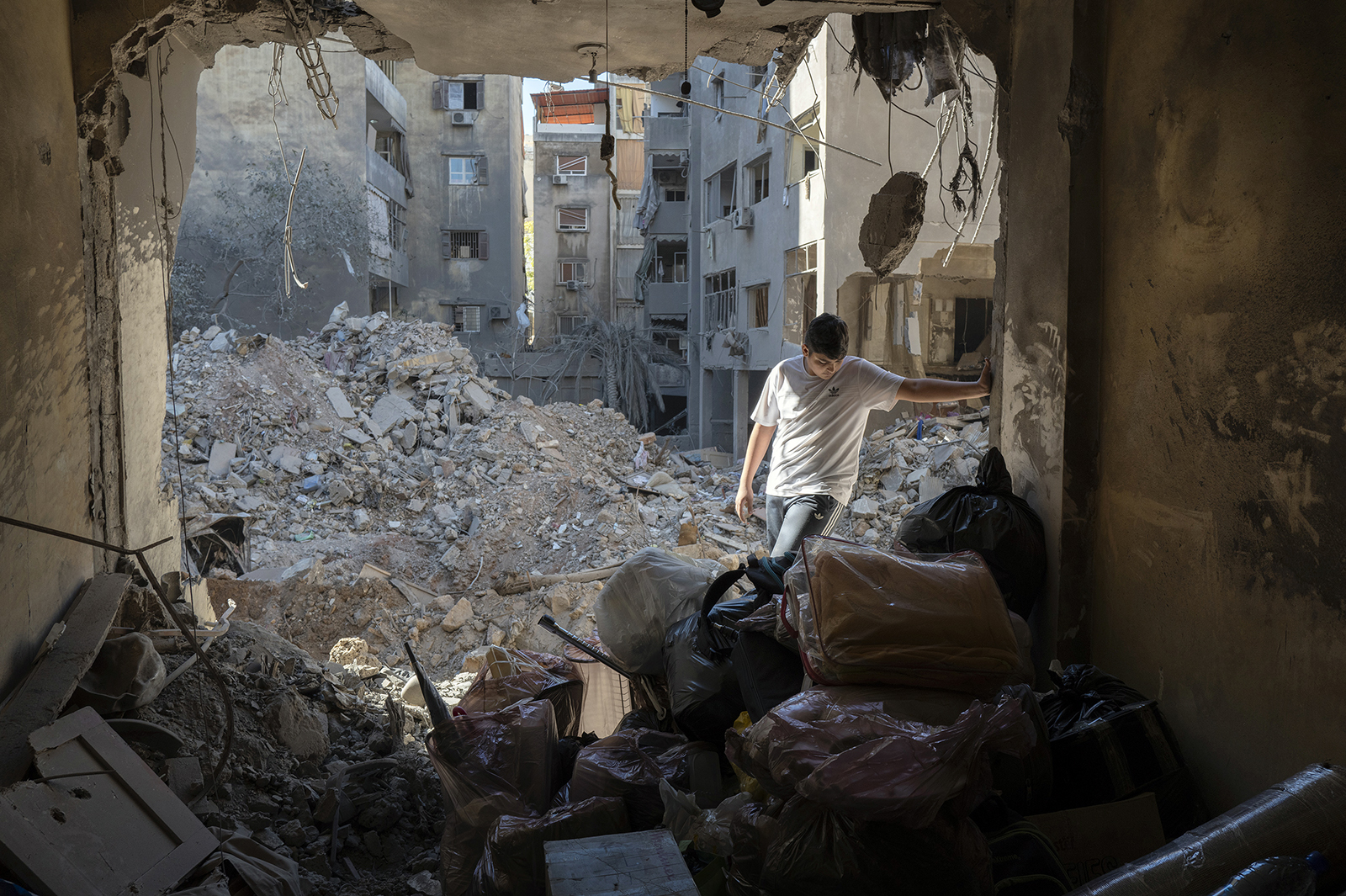
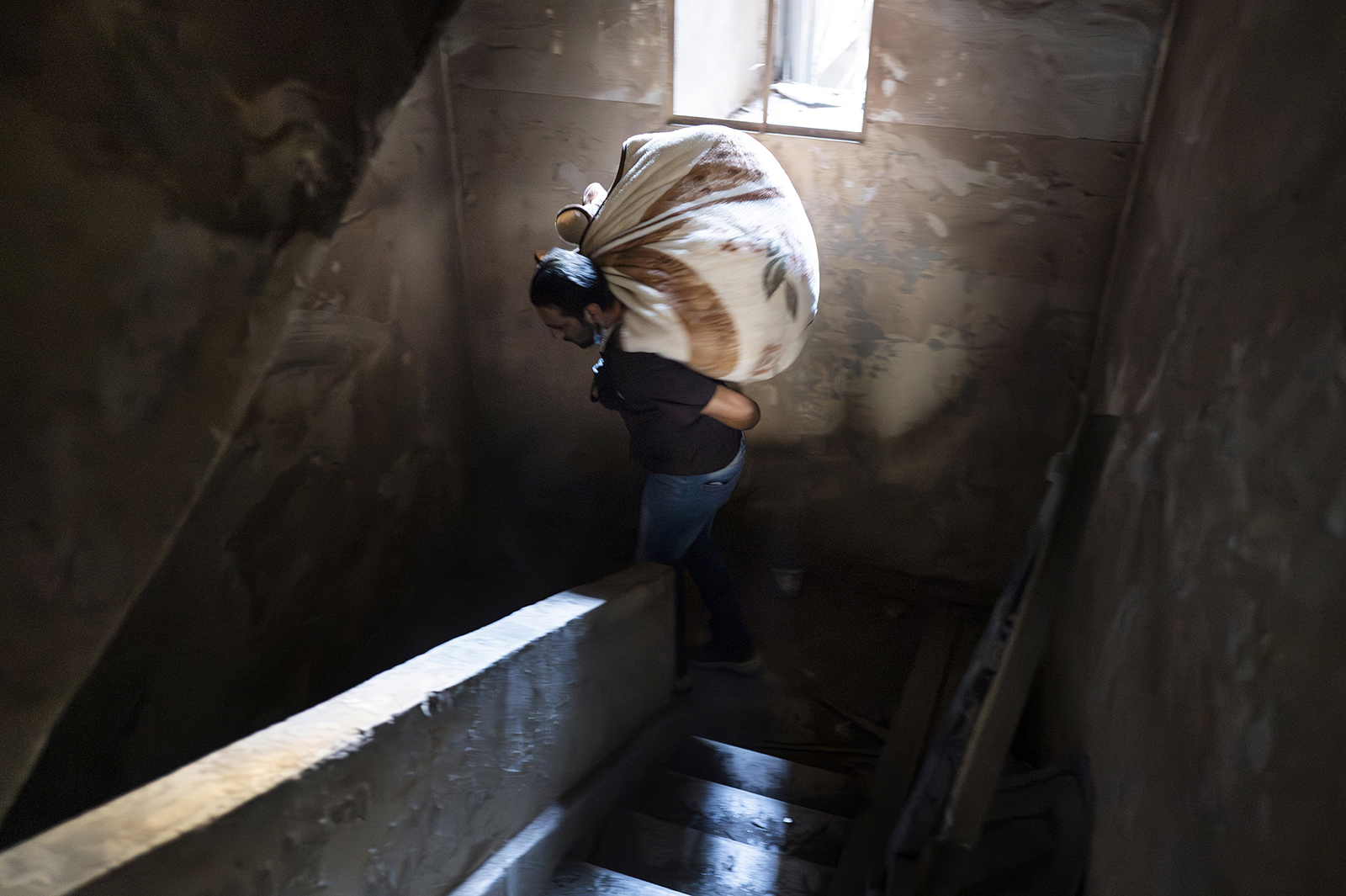
In the days following the devastating strike, the survivors struggle to piece their lives back together. The Fahro family, Syrian refugees who lived on the fourth floor of the Fawaz building opposite the blast site, now find themselves living in a public school. As Taha Fahro waits to retrieve their salvaged belongings temporarily stored on the first floor, none of them know that patriarch Khaled Fahro’s heart will soon give out, adding another casualty to the bombing’s toll.
Lebanon, 2024
ANATOMY OF A STRIKE
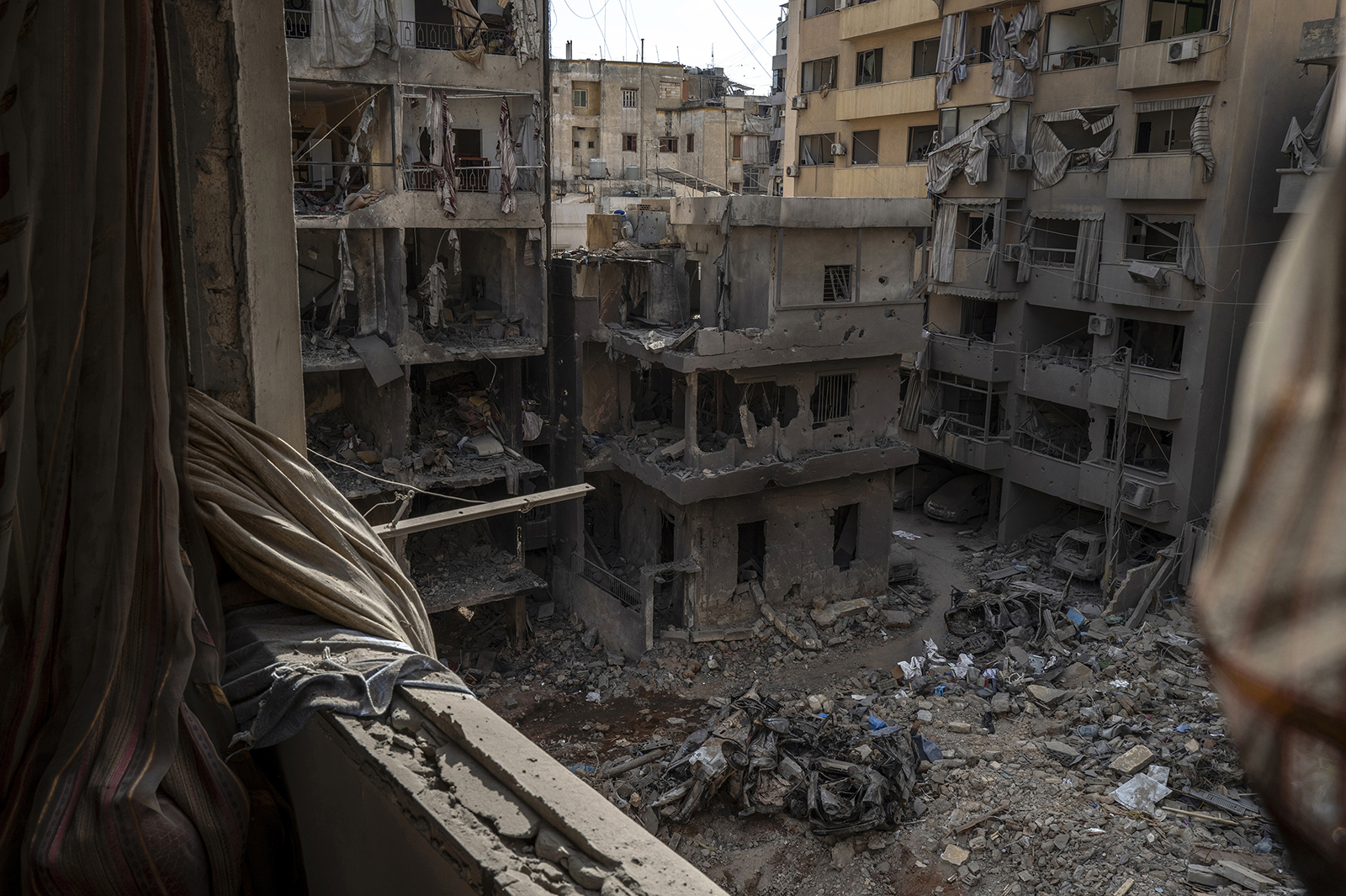
The Hoshesh building, where the Hamaway family once lived, is now nothing more than a gaping chasm of concrete and sheet metal carved into the heart of the Basta neighborhood. Two days after the end of search operations, on October 19, the scene remains unbearable. Officially, all the victims have been identified. Unofficially, rescuers still fear the presence of human remains buried beneath the rubble. The acrid, lingering odor seeping from pockets of debris continues to haunt the site—a cruel reminder of the extreme violence of the strike.
Lebanon, 2024
ANATOMY OF A STRIKE
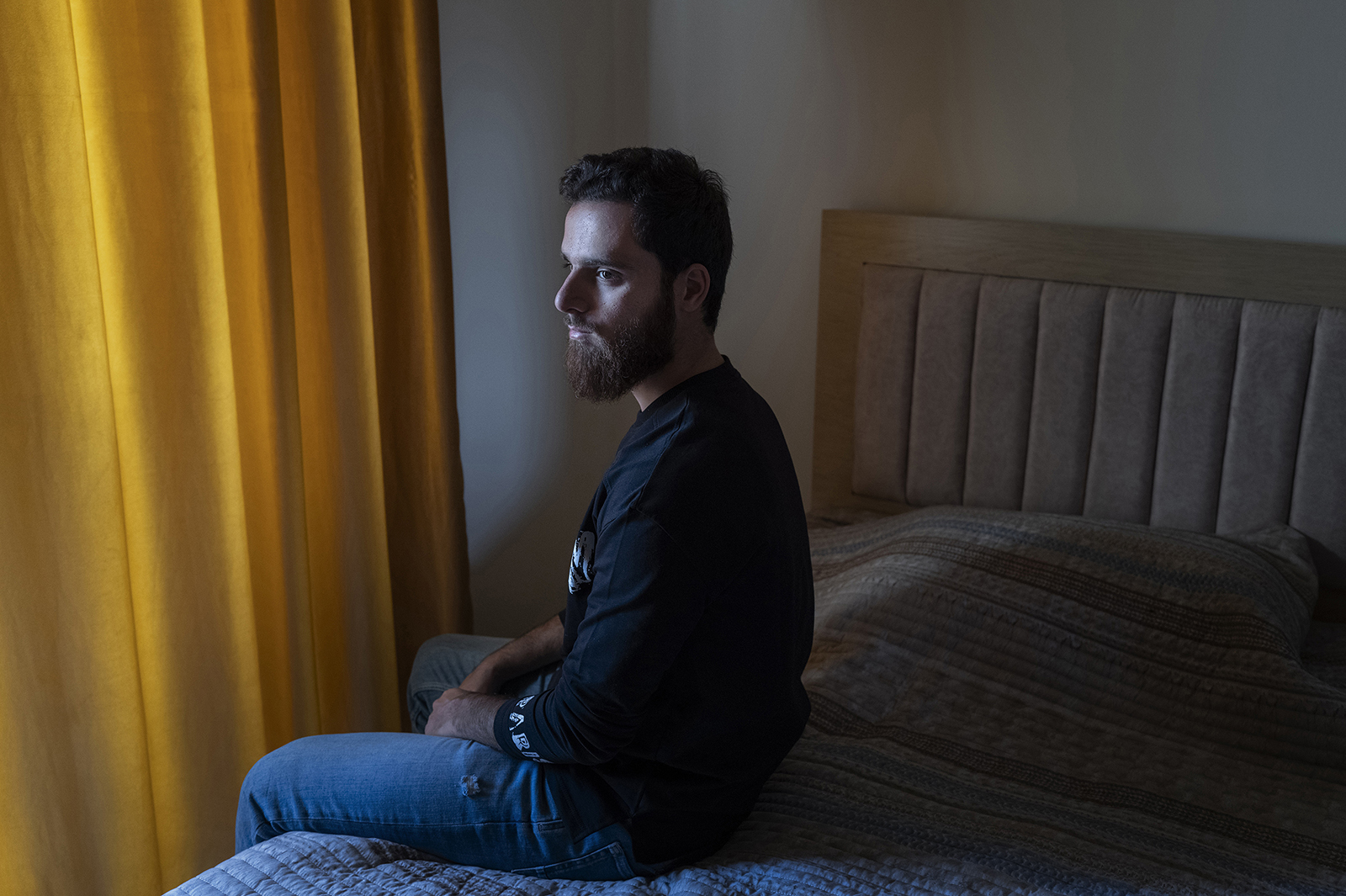
The name “Wahid” means “The only one” in the Levantine dialect – a cruel prophecy for 23-year-old Wahid Hamaway. When Israeli strikes hit the Basta neighborhood, the young hairdresser was praying at a mosque with friends. In those moments, his entire family was decimated.
The identification of his loved ones became a horror unto itself. His sister Lena, whom he held dear, was so severely damaged by the blast that DNA testing was required to confirm her identity a week later. Wahid could only recognize his mother by her ring, her face and body rendered unrecognizable. His brother died instantly in the strike, while his father succumbed to his injuries in the hospital.
For the Hamaway family, this marked the end of a long journey of displacement. They had first fled Assad’s Syria, then escaped their bombed home in Beirut’s Bourj El-Barajneh district just three weeks before the fatal strike.
Wahid faced the unthinkable task of burying his family alone. As Syrians are prohibited from burials in Beirut, he had to lay them to rest in Chehime, 43 km away from Beirut, in a plot of land designated for Syrians and foreigners. Now, with no immediate family remaining, he exists in a liminal state at a distant aunt’s house, alternating between lengthy periods of sleep and nightmare-plagued nights. His sole hope lies in England, where some relatives reside – a possibility kept alive by his passport’s miraculous survival in the rubble.
Lebanon, 2024
ANATOMY OF A STRIKE
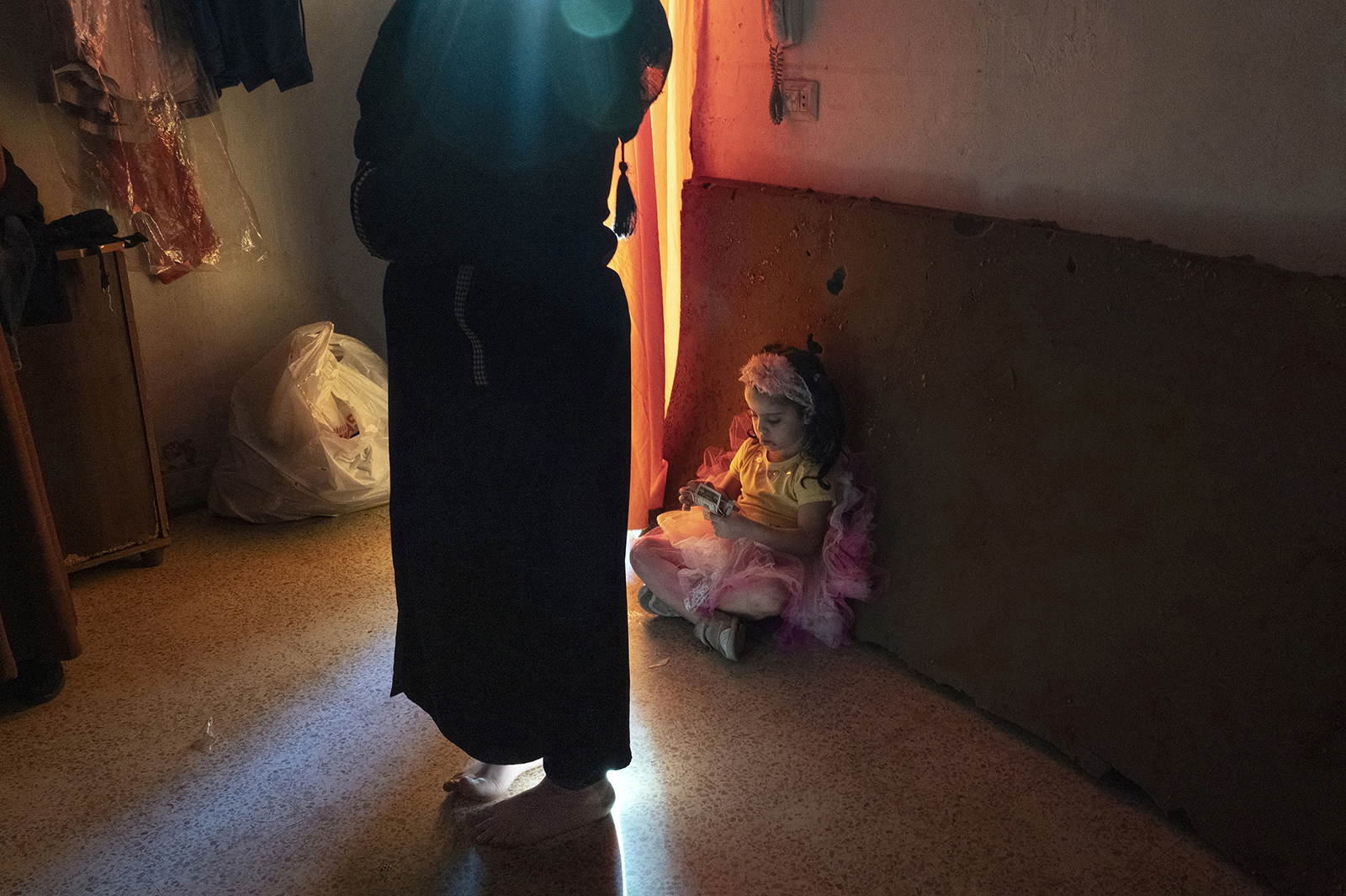
In a stark contrast of fate, five-year-old Malek Halaq plays dress-up as a princess with dollar bills, unaware of how close her family came to sharing the Hamaways’ fate. Her Syrian family had just moved to Basta when the strike occurred, but a fortunate trip to the market spared them all. Now, seven family members share a 15-square-meter caretaker’s apartment in Beirut’s suburbs.
Lebanon, 2024
ANATOMY OF A STRIKE
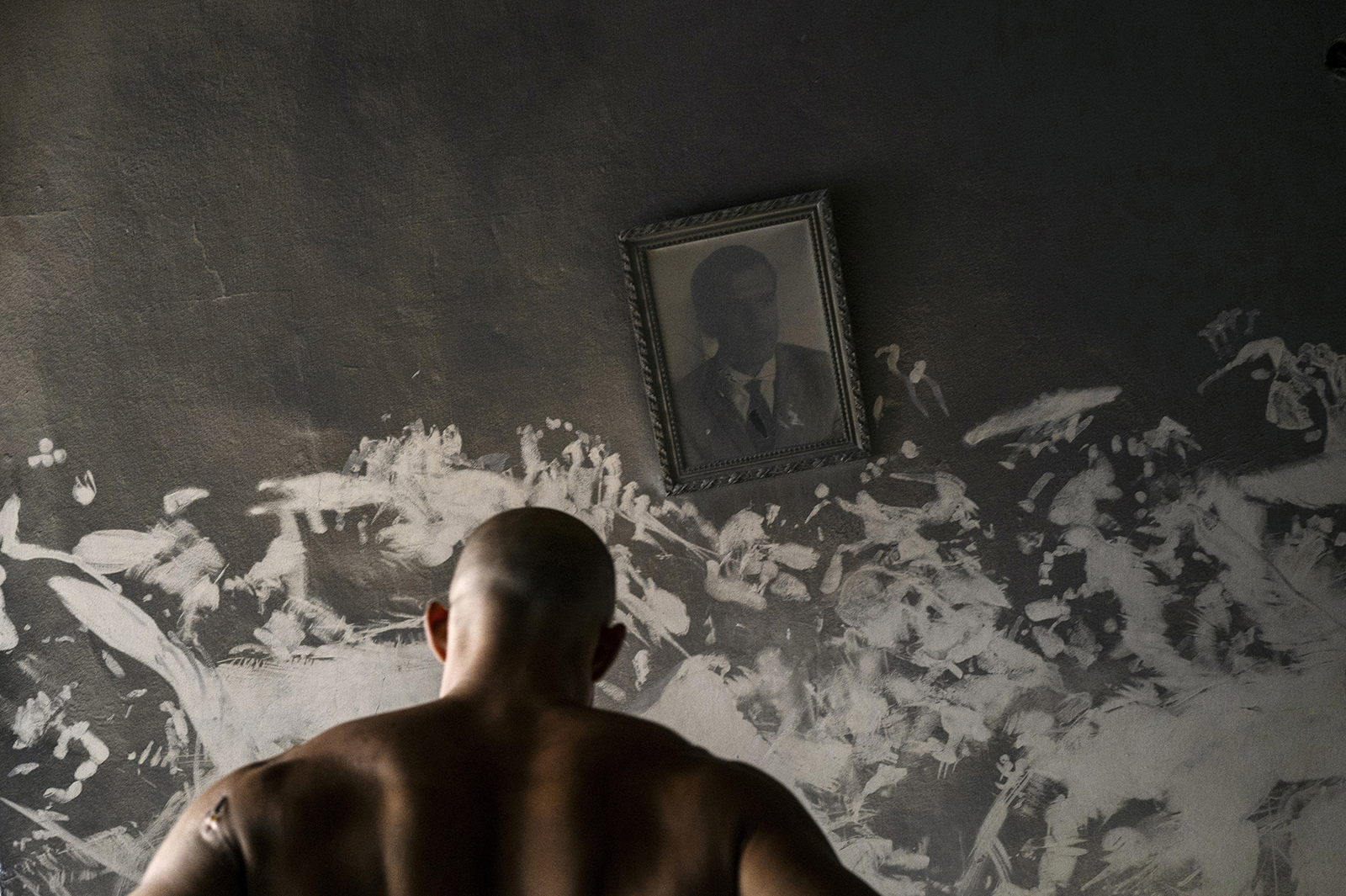
Mohammad, a sports coach from the Fawaz building, returns eight days after the strike to salvage what he can from his ruined apartment. The blast injured both him and his grandmother when the wall collapsed. A portrait of his grandfather, who died years earlier, still hangs on the wall, a poignant reminder of the family’s history in a space they can no longer call home.
Lebanon, 2024
ANATOMY OF A STRIKE
A friend of Mohammad descends the staircase of the Fawaz building, carrying a few belongings salvaged from the rubble.
Lebanon, 2024
ANATOMY OF A STRIKE
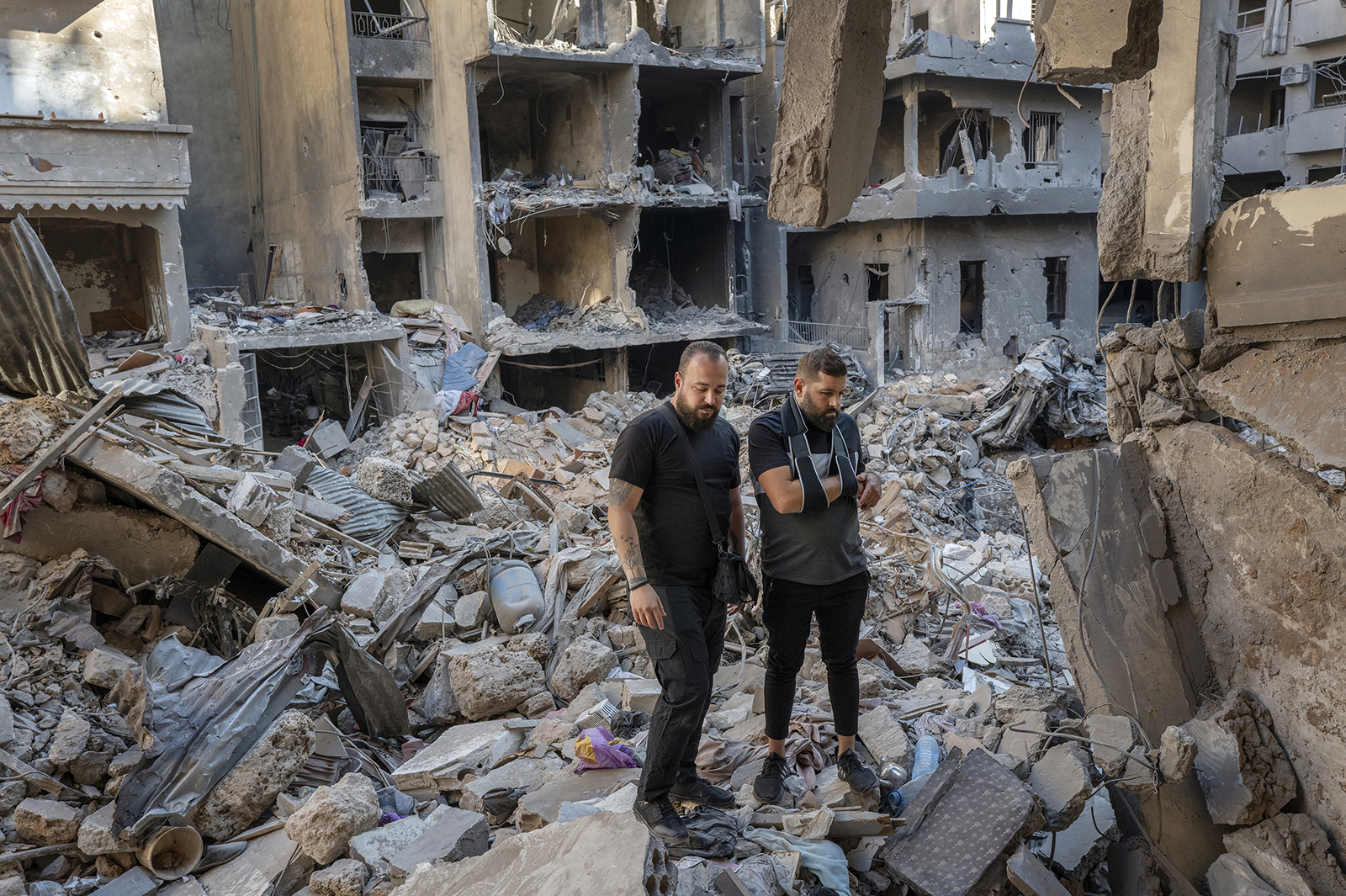
The tragedy of the Choucair family epitomizes the cascading nature of the conflict. Abbas Choucair, his arm injured and blood vessels burst in his eyes from the blast, stands at the rubble where his seven-year-old daughter Tala and father-in-law Ali perished. His cousin Ali Hammoud, who participated in the early rescue efforts while Abbas lay unconscious, shows him where they found Tala’s body.
The Choucairs’ story stretches back to Meiss El-Jabal, their home village on the Israeli border. Once a Hezbollah stronghold, it now lies in ruins. Five months before the Basta bombing, they lost several cousins to strikes on the village. Their dead wait in a morgue in the southern suburbs, as the family holds onto hope of eventually burying them in their ancestral village once the war ends and the cemetery can be rebuilt.
Lebanon, 2024
ANATOMY OF A STRIKE
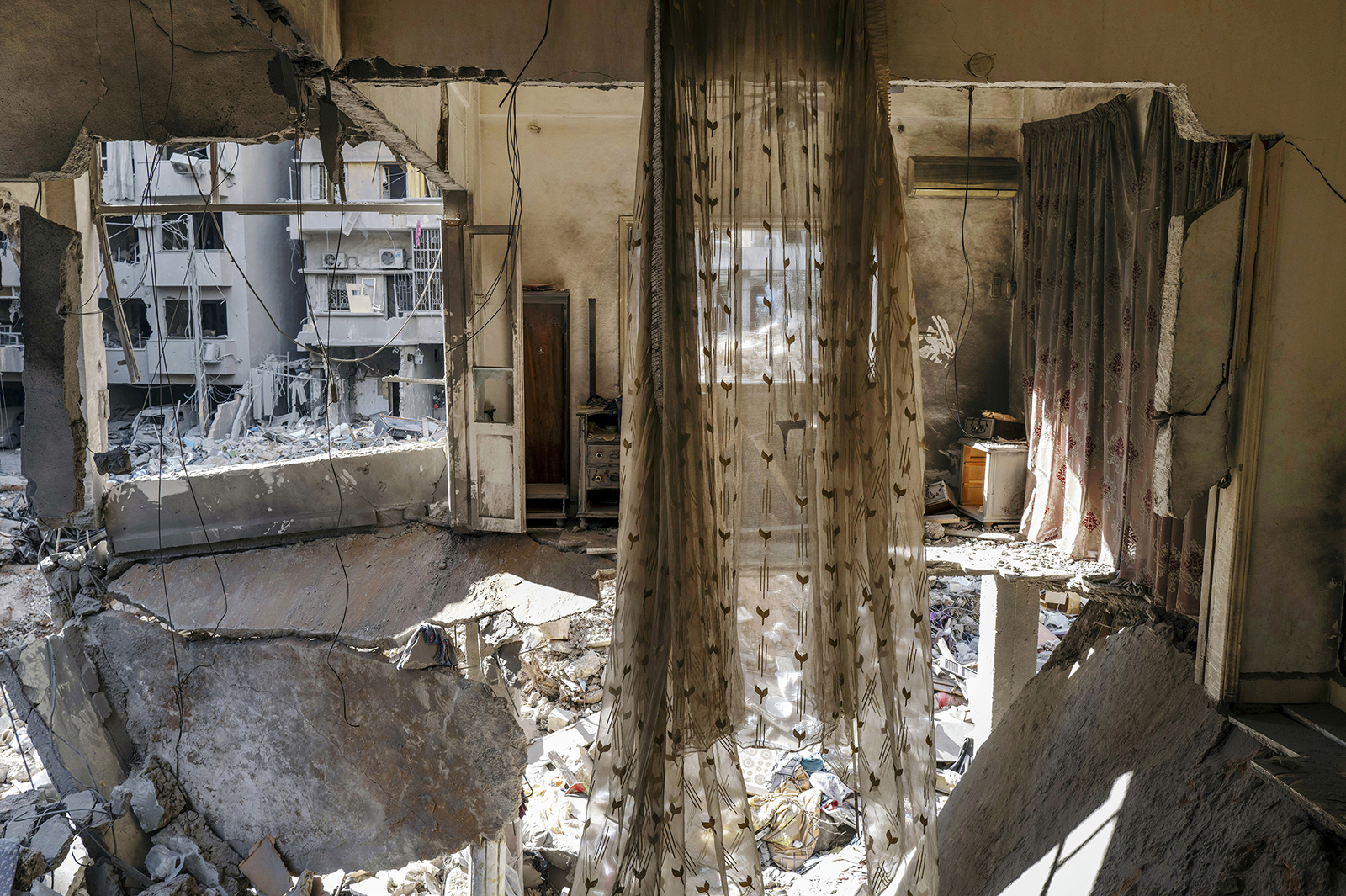
In a cruel twist of fate, the same strike that took Tala also spared her siblings in what seems like an arbitrary distribution of fortune. Ten-month-old Ali Choucair was found miraculously unharmed on a dresser, covered in dust, while five-year-old Rahaf escaped with minor facial injuries. Their grandfather was among the dead in the apartment that once housed eleven people, its floor now largely collapsed. In a nearby building, their uncle perished.
Lebanon, 2024
ANATOMY OF A STRIKE
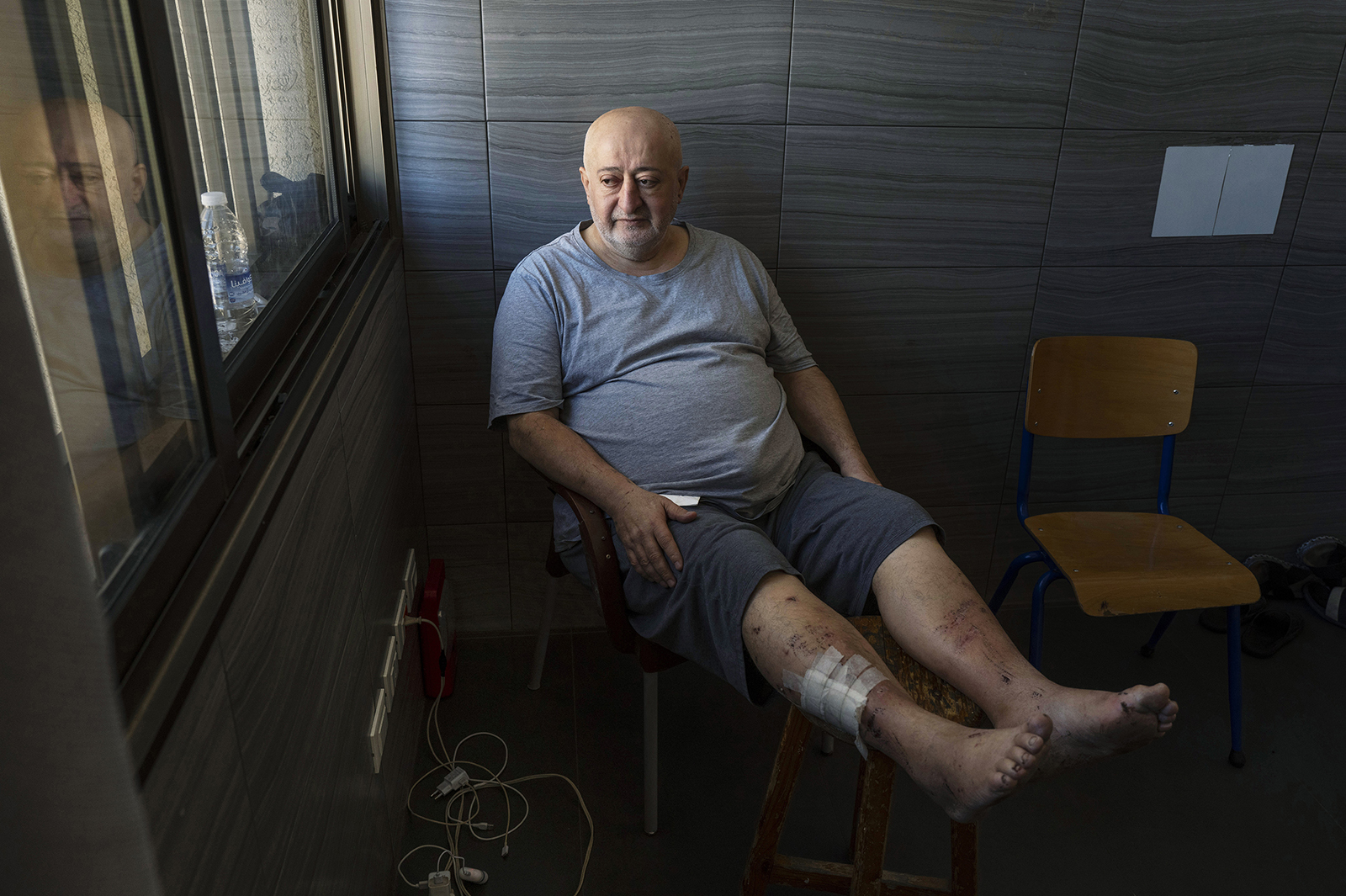
“We fled Syria to live here in safety. It will never end,” Tarek Fahro told me on October 21, his legs still embedded with glass shards from the bombing. These would be among his last words to the outside world. At 61, sitting in a primary school classroom turned refugee shelter, Tarek embodied the cruel cycle of displacement that had defined his family’s life for over a decade.
Thirteen years earlier, Tarek had led his family from war-torn Aleppo, seeking safety in Lebanon. Recently, their home had become a haven for relatives fleeing Israeli attacks in southern Beirut. Then on October 10, the missile that struck the Hoshesh building nearly destroyed their own residence across a small path. Though all 21 family members survived the initial blast – a miracle amid the carnage – fate had other plans for Tarek.
The bombing’s true toll on the Fahro family would take weeks to fully manifest. A first stroke weakened Tarek significantly in the days following the attack. Without means to afford the medical intervention that might have saved him, the family could only watch as their patriarch’s condition deteriorated. Two weeks after the explosion, Tarek’s heart finally gave out.
Lebanon, 2024
ANATOMY OF A STRIKE
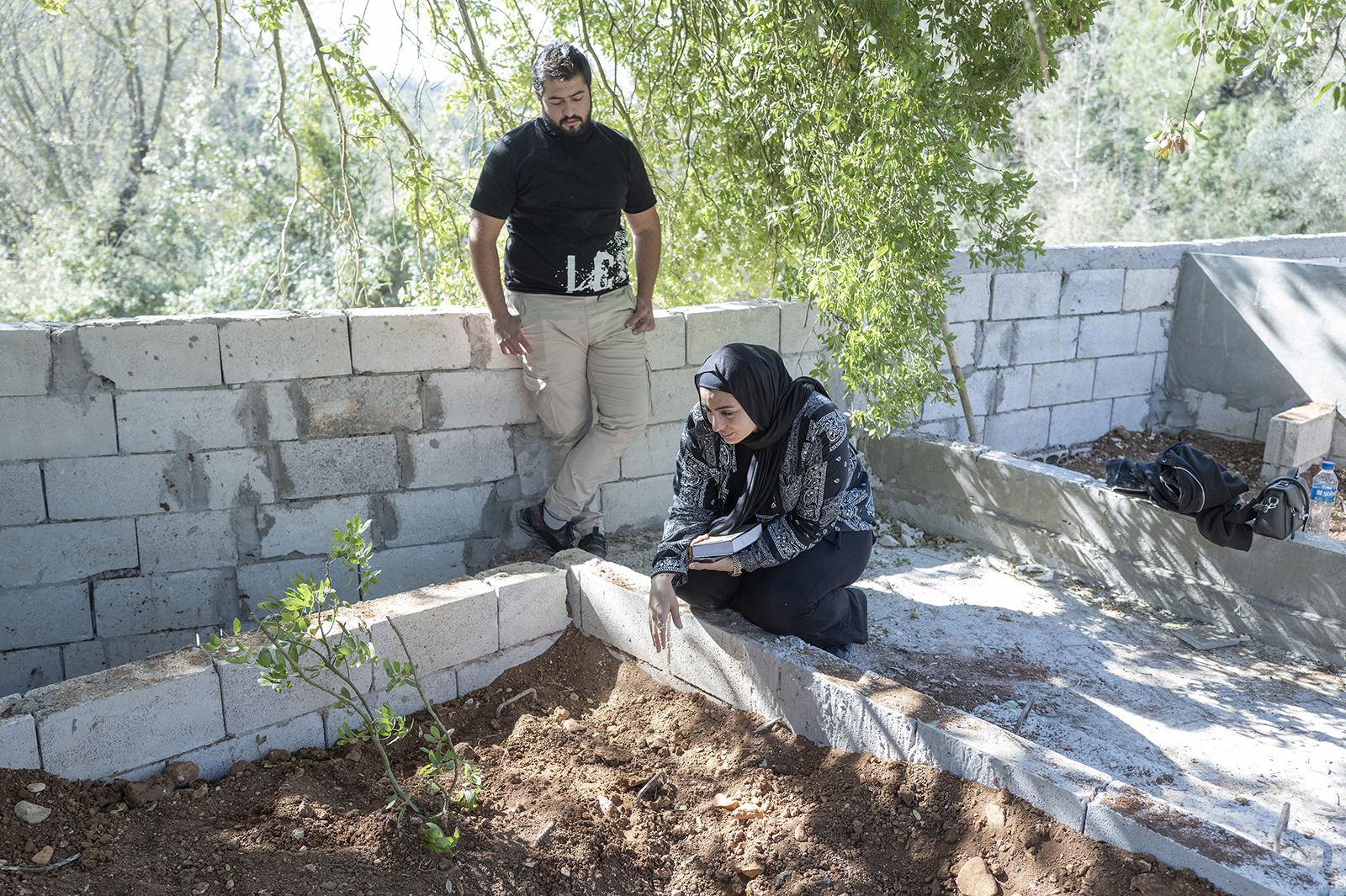
On October 26, Tarek Fahro’s children, Mahra and Mohammad, stood at their father’s grave in the Chehime cemetery, far from Beirut, where the family had sought refuge. Tarek Fahro became the strike’s eighteenth victim – though his death, like many others claimed by war’s indirect violence, would never appear in official casualty counts.
Lebanon, 2024
ANATOMY OF A STRIKE
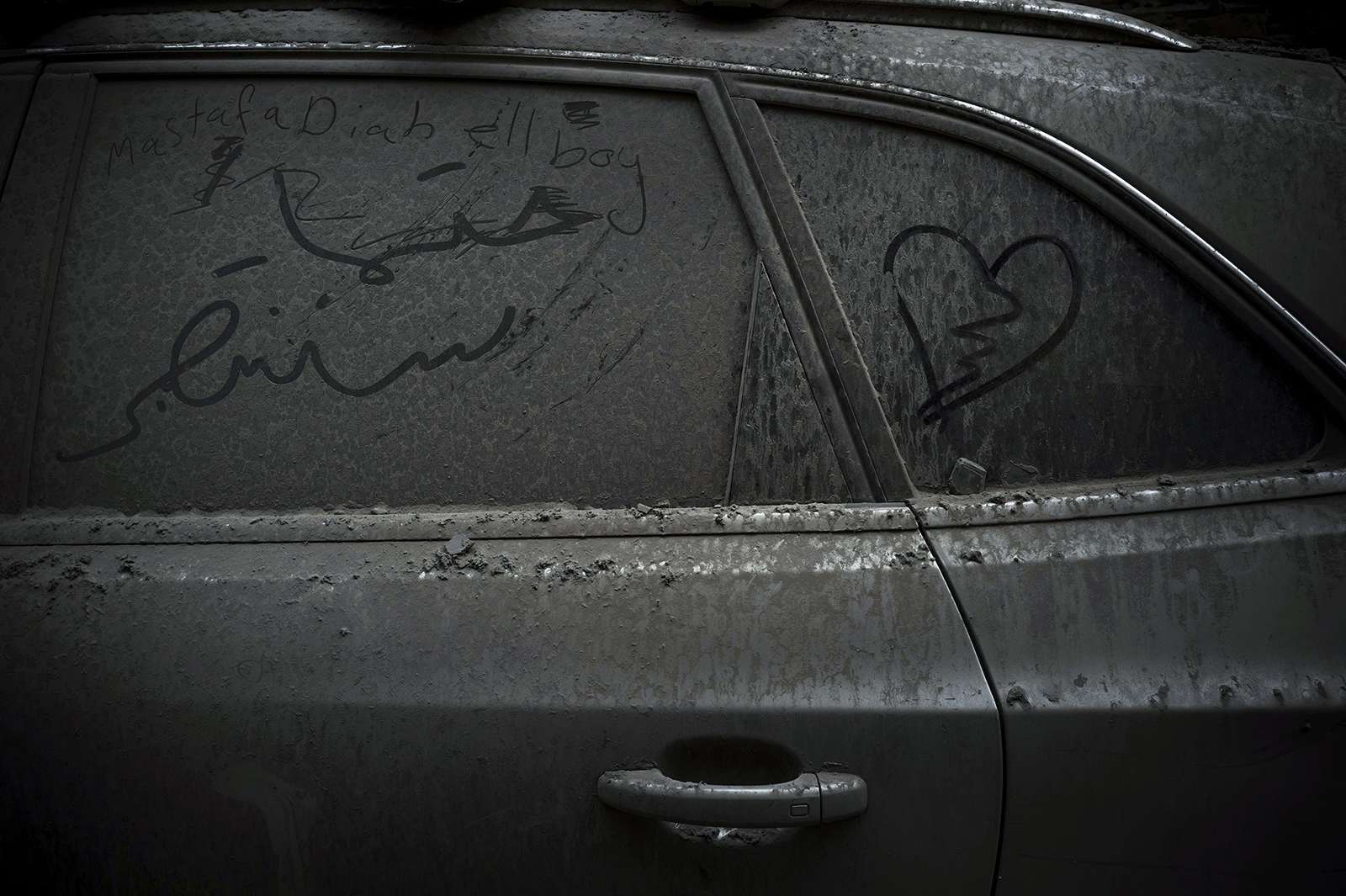
Near the bombing site, a parked car bears graffiti showing a broken heart and declaring “we will definitely be victorious”.
Lebanon, 2024
ANATOMY OF A STRIKE
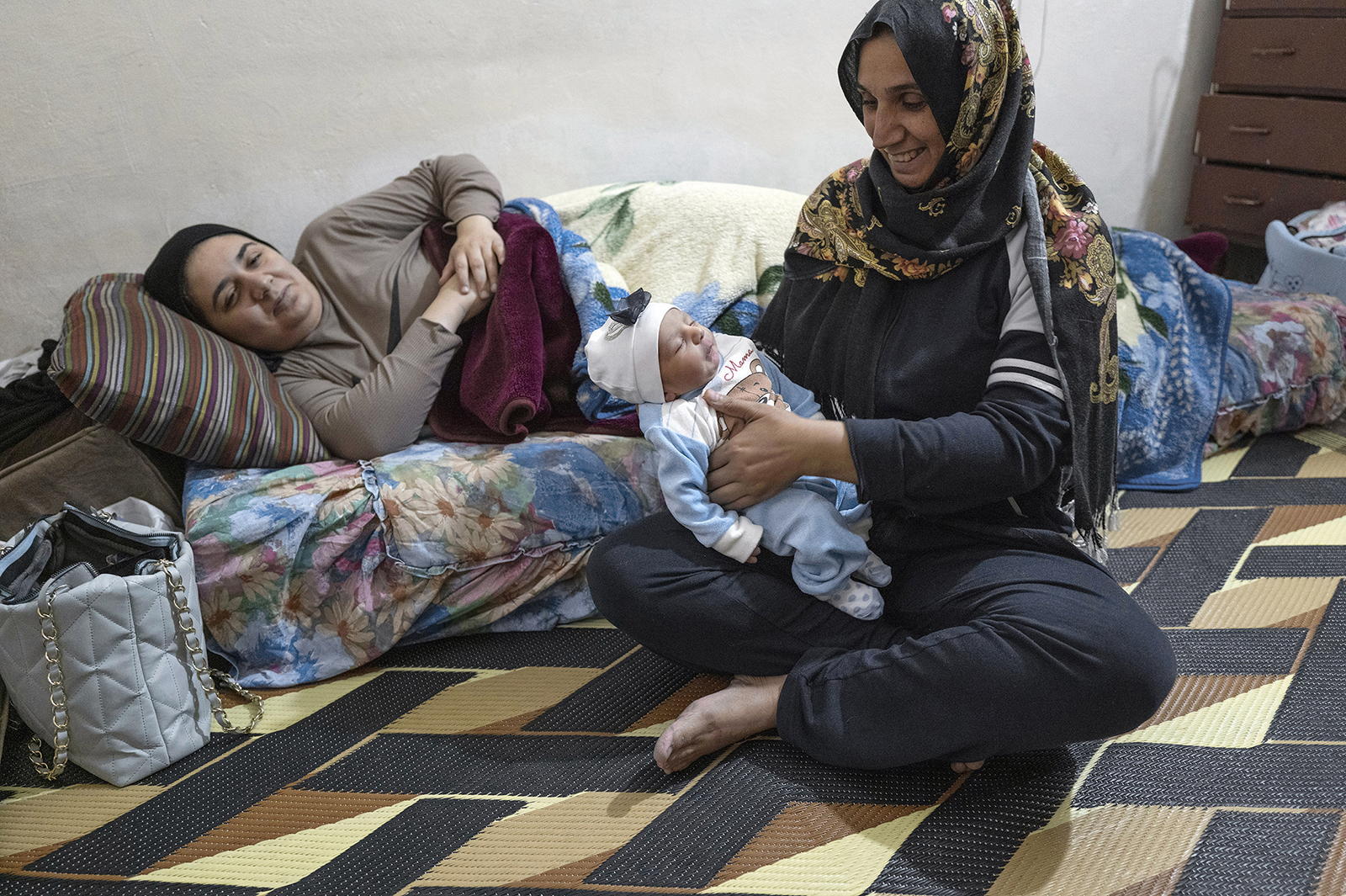
Lina Muslat holds her newborn grandson Hassan, born just two days earlier. When the missile struck the neighborhood, her daughter Fatme—then full-term and pregnant—was thrown to the ground and crushed under a heavy bookcase. Both she and the baby survived, but the post-traumatic shock delayed labor, and five days past her due date an emergency C-section was required to prevent a severe infection. The procedure cost €700, far beyond the €200 her father, a street vegetable vendor, had managed to save. Today, baby Hassan is healthy and growing up in this devastated neighborhood, where he is seen as “the reborn light of Basta.” His grandmother proudly calls him waladna el-Amal—“the child of hope.”