On The Path To Oblivion
In the spring and summer of 2025, I embarked on a journey—not to see, but to witness the unseen. A passage from the scorched palms of Baluchestan in the southeast to the lifeless rocks of Lake Urmia in the northwest. Two thousand kilometers, not for leisure, but to testify to a catastrophe that has engulfed this land in a deafening silence.
In the northwest, I visited Lake Urmia—or rather, what remains of it. What was once a vast body of water is now a salt flat where cars can drive across terrain no one ever imagined. I never believed I would ever be able to drive from the east to the west of the lake. The tire tracks in the salt of the lake were like dagger marks on its chest.. Islands that once floated in blue now stand as bare rocks in a sea of salt. I’ve followed this lake for over two decades, documenting its decline with my lens and my heart. But this time, there was no water left—only a faint spring and bitter memory.
In the southeast, I reached Baluchestan—and again, I saw absence. Palms that once offered shade now bend in thirst, scorched not by fire but by drought. The sight wounds the soul. I searched for signs of hope—people, movements, efforts to heal. But I found only silence.
This journey was a documentation of disaster. Not just to record drought, but to reveal its depth—to connect two distant regions, both victims of the same affliction. This series, stretching from Urmia to Baluchestan, is not merely geographic—it is emotional, historical, and human.
My aim is not only to warn, but to invite others to truly see—to see what many choose to ignore. These two thousand kilometers are a statement from the heart of an artist, a witness, a human being.
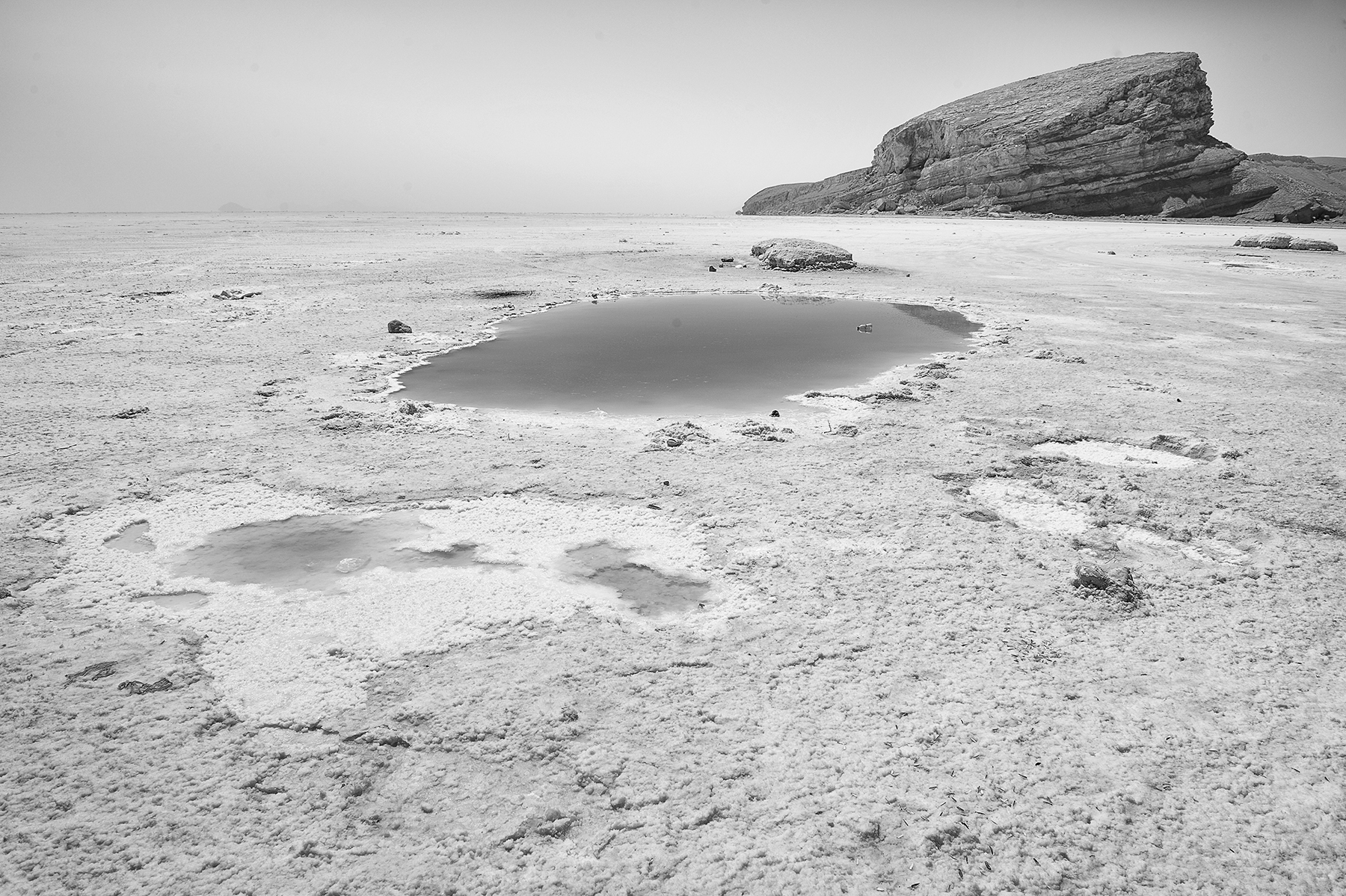
Reflection in the Ashes
This lifeless pond is the last remnant of a lake that once held life. Now, only the traces of erosion and neglect remain.
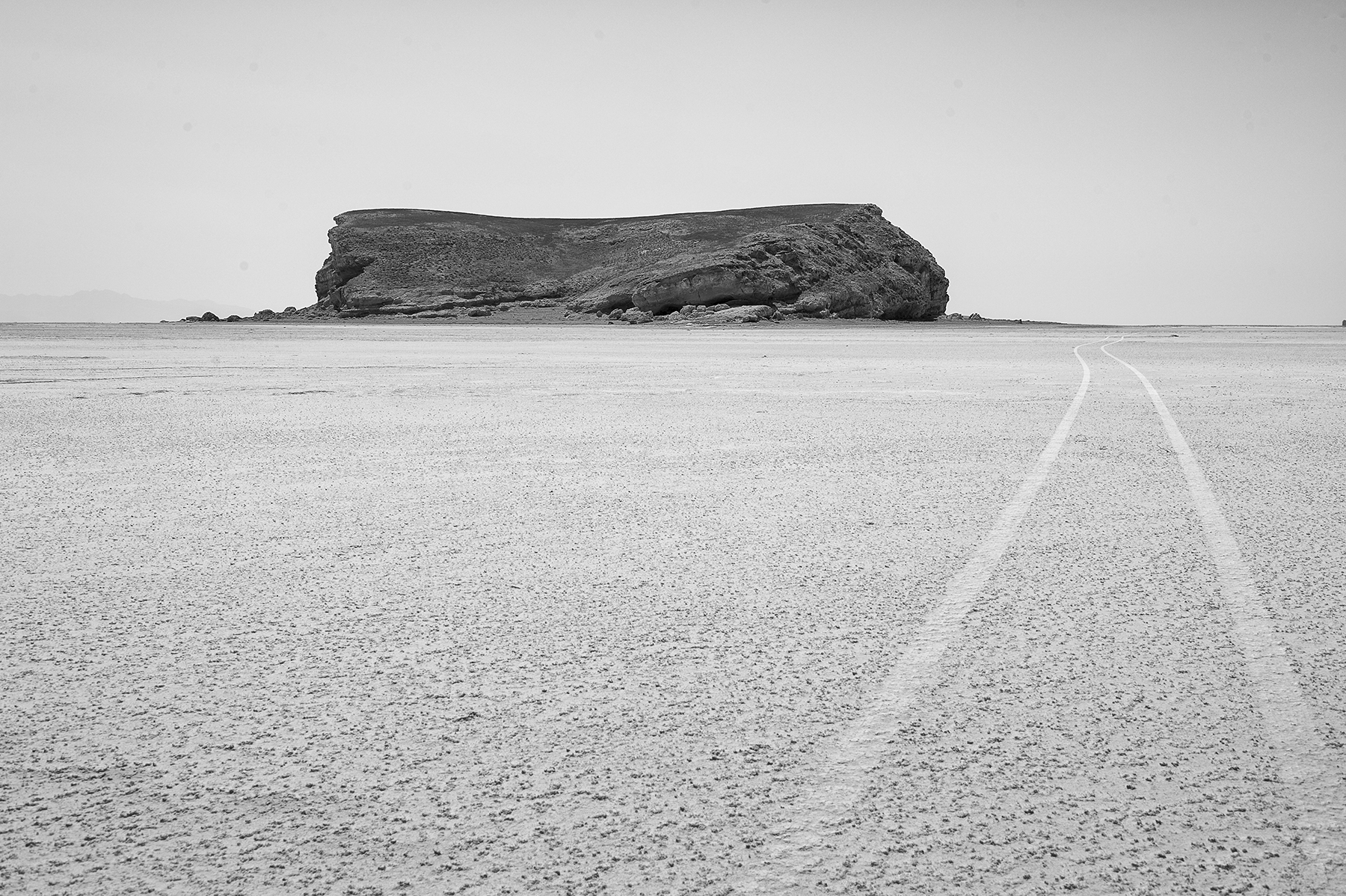
Shadow of Oblivion
In the heart of the Urmia salt flats, where waves once raced, now only tire tracks crisscross the lake.
I never believed that one day it would be possible to drive across the lake—but this image is a testament to the absence of water, to the silence of disaster, and to a fading memory.
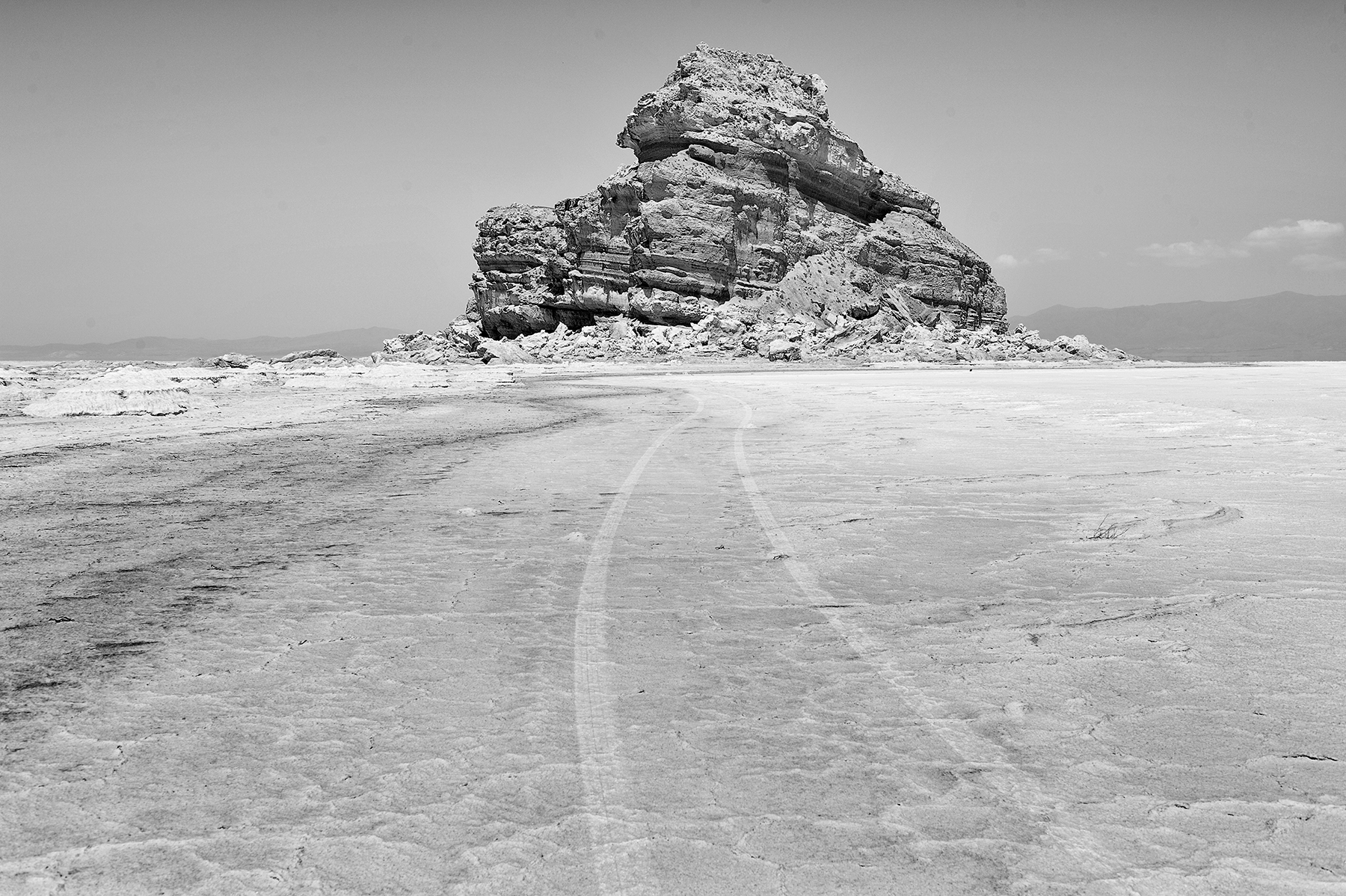
Pillar of Erosion
In the heart of the salt flats, a rock stands—not as a destination, but as a witness.
The fading tracks of tires have passed by it, like a fading memory.
Here, not only the earth, but also time, has cracked.
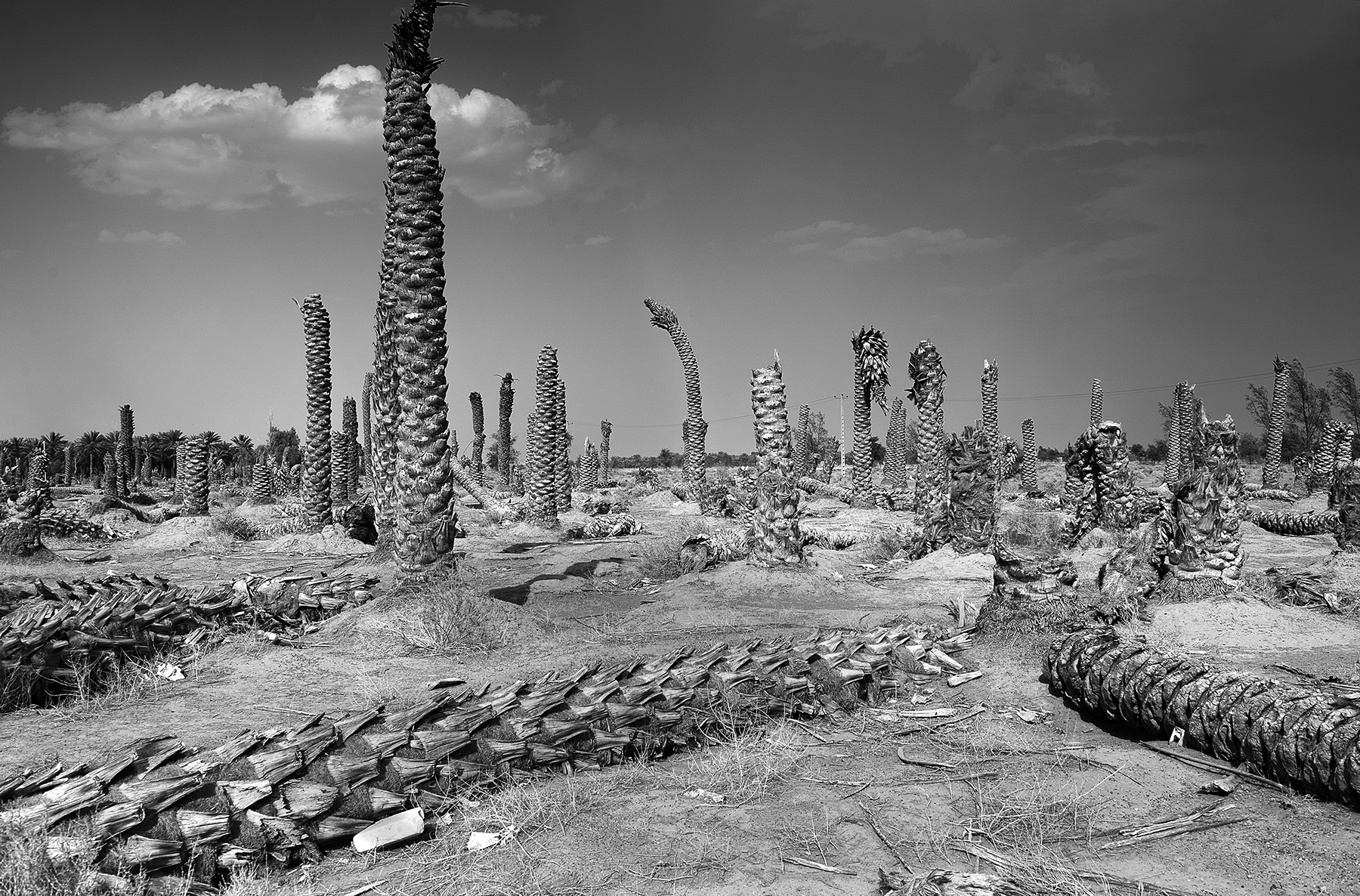
Palms without mourning
In this grove, death has come silently.
No mourning, no burial—just broken trunks, fallen leaves, and a sky that still doesn’t know what has happened to the earth.
This image speaks not only of destruction, but of oblivion.
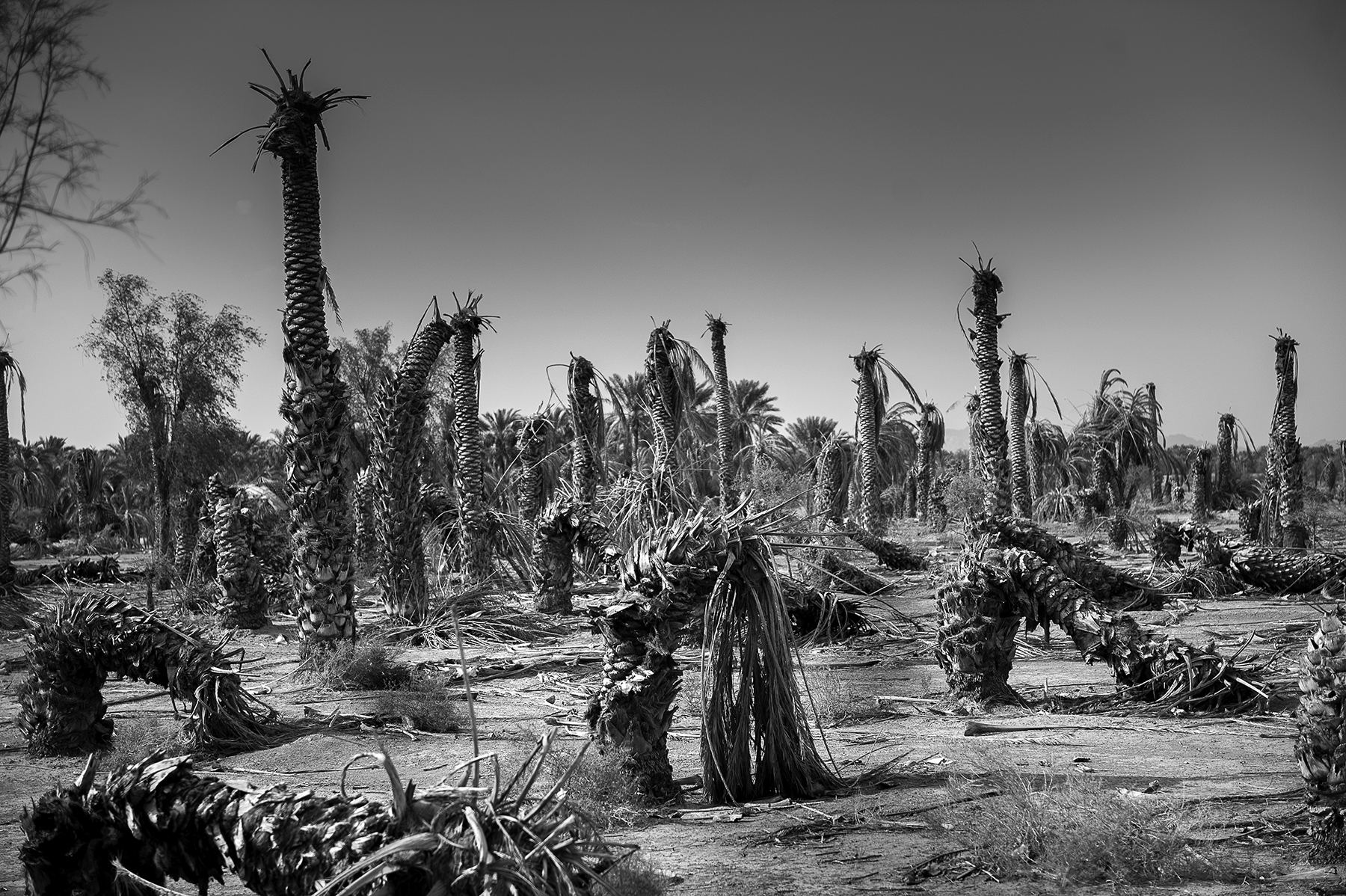
The Edge of Life
In this palm grove, life still breathes—but with a wheeze.
The trunks stand, not out of strength, but out of habit.
The cracked earth, the shelterless sky, and a few healthy palms in the distance…
This is the edge of life; where nature still resists, but its voice is fading.
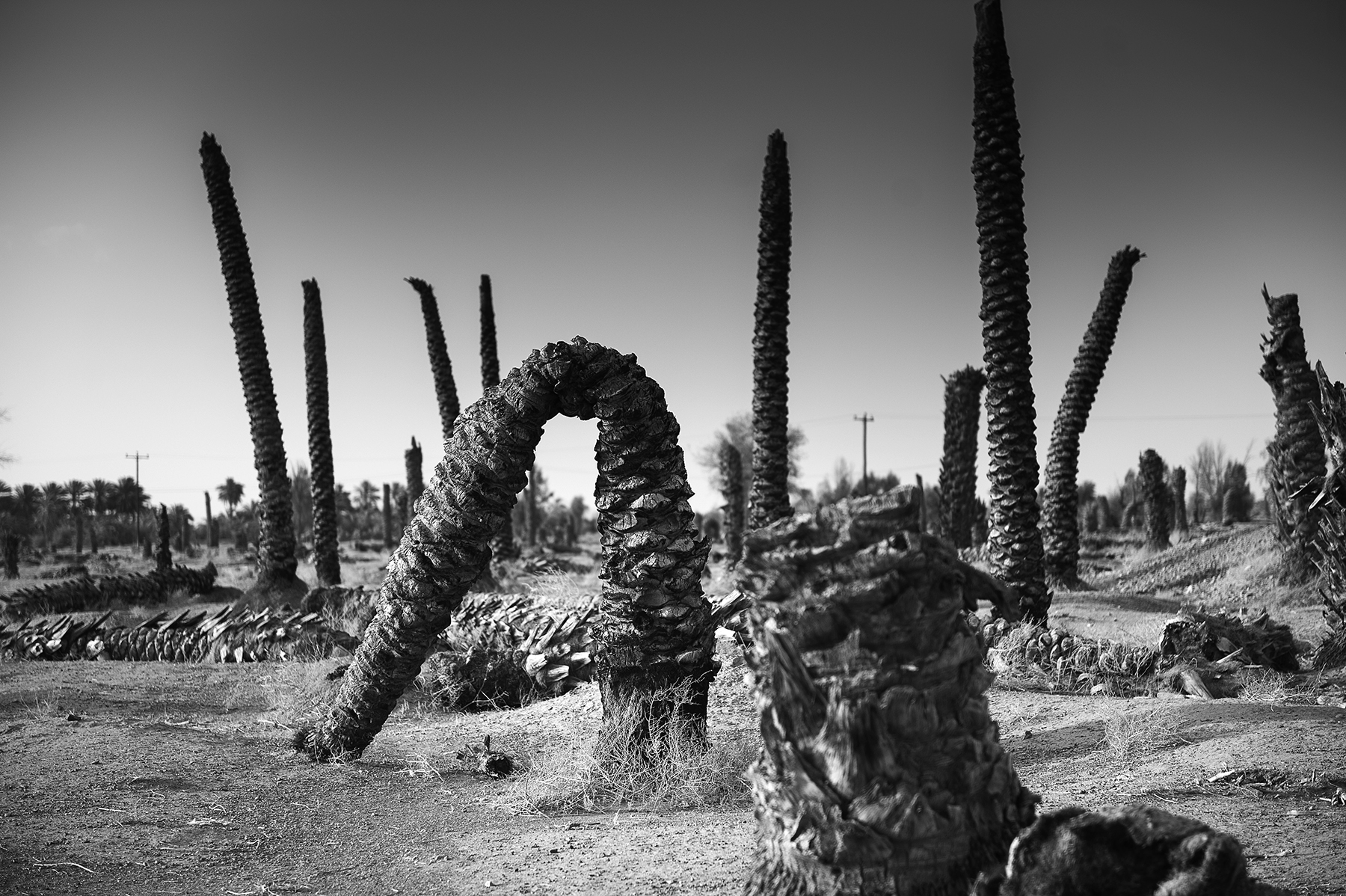
The Gate of Forgetfulness
Amid the palm trees that stand lifeless, a trunk arches;
Not to pass, but to remember.
This gate is not the beginning of a new path, but a sign of what we have left behind and forgotten.
Drought doesn’t just burn the soil—it swallows memory too.
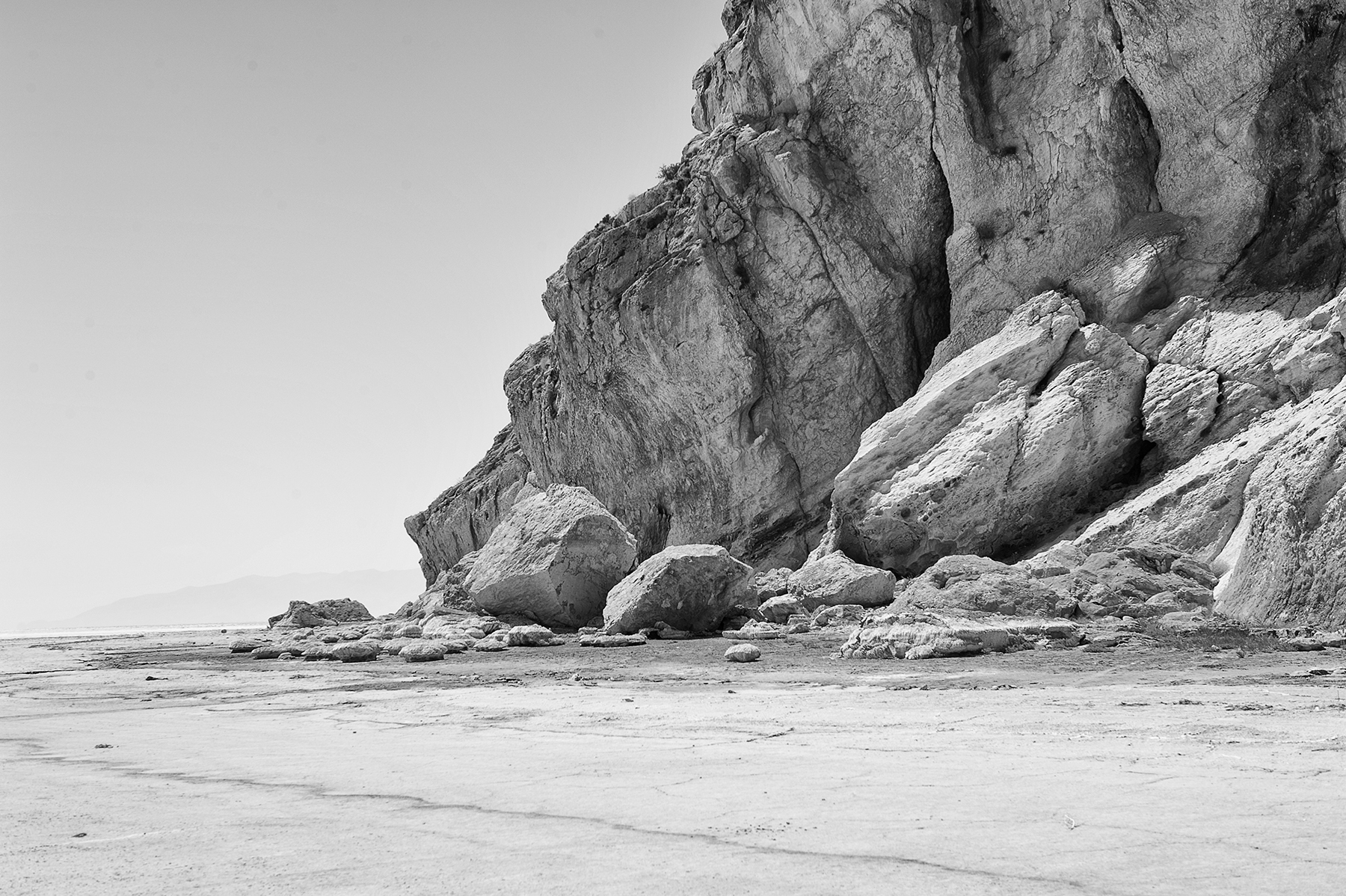
The Edge of Time
In the silence that flows between rock and earth,
a trace of millions of years of erosion and resistance is engraved.
Here, a place where time is measured not by clocks,
but by cracks in the rock and endless shadows.
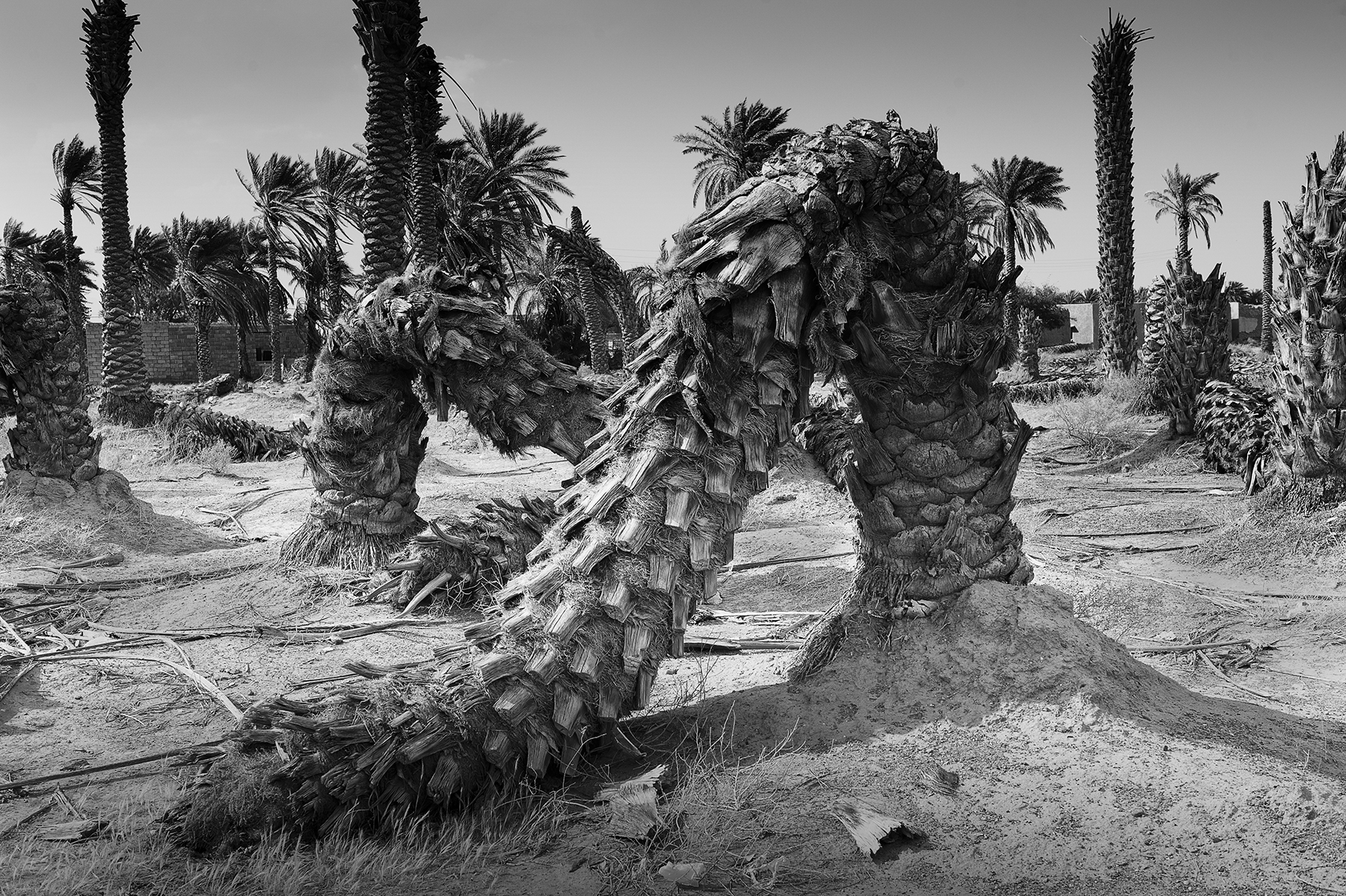
Two Palm Trees in Love
In the heart of dryness and oblivion,
A fallen palm tree rises, not to stand,
but to shape something beyond survival—
A gateway of memory, resistance, and beauty in the heart of destruction and love
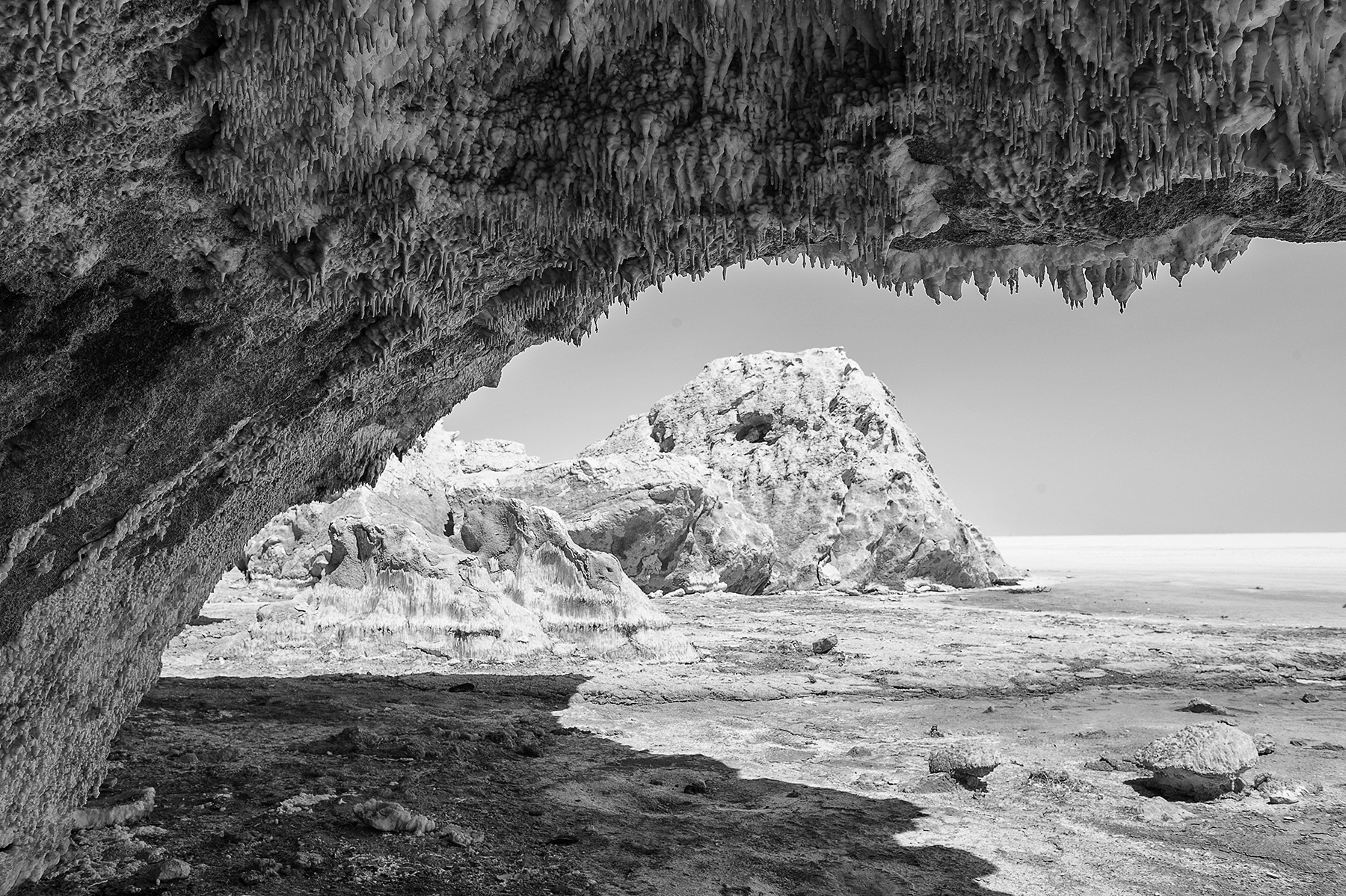
Frozen Echoes
Jagged rock formations hang like ancient icicles, carved by time and silence. Beneath their shadow, the barren land whispers stories of erosion and endurance.
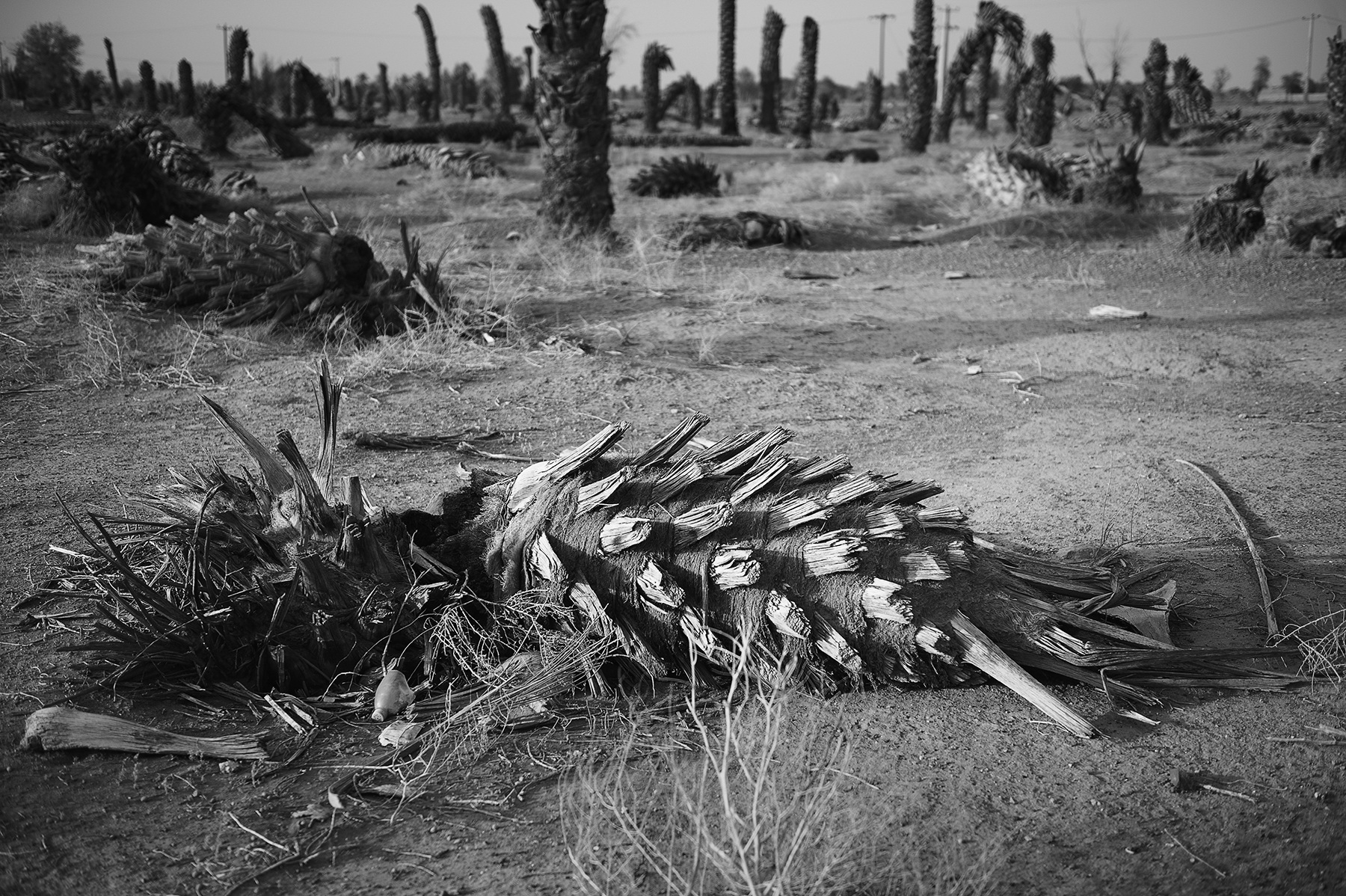
Witness to the Fall
The fallen palm trunk bears witness to the end of life on cracked soil.
In the distance, trees still stand—not out of vitality, but out of habit.
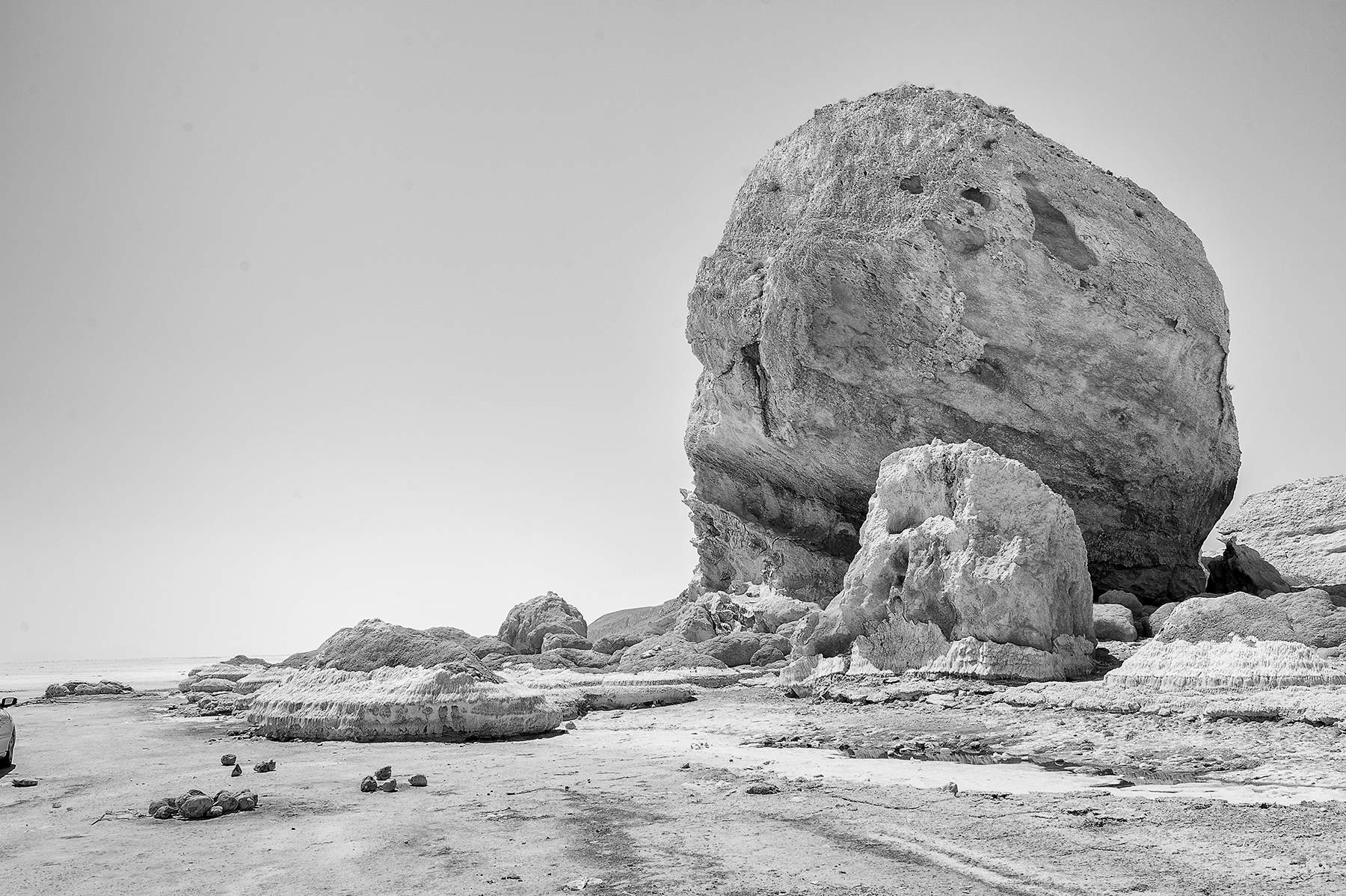
Stone Skull
A silent rock, like a skull from the heart of the earth; as if nature had carved a forgotten memory into the stone
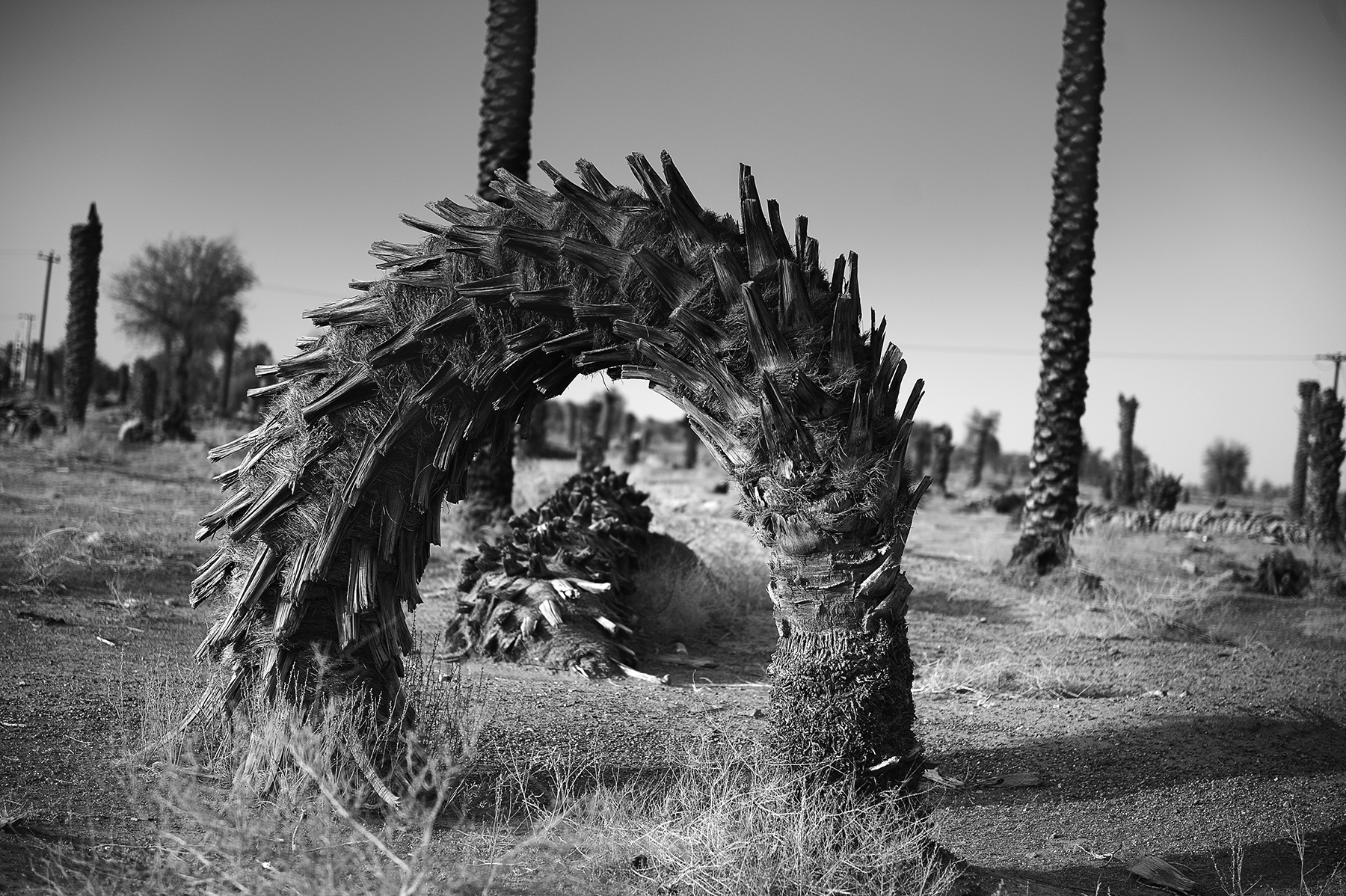
Arch of Resistance
A palm tree bent but unbroken; as if nature resists dryness with the language of silence.
In the heart of the desert, every curve is a sign of life that still continues.